Why Custom Website Development Matters for Lancashire Businesses
When I moved my small consultancy from a rented desk in Manchester to a proper office just outside Burnley, I learned a hard lesson about websites. The template-based site I had bought for ninety-nine pounds a month looked fine on my laptop but broke on half my clients' phones. The contact form lost enquiries. The load time was embarrassing. That experience taught me something that still holds true: for most small and medium businesses in Lancashire, a one-size-fits-all site is a false economy. What you really need is custom website development built around how your business actually works and who your customers actually are.
Burnley and the wider Lancashire area have a particular mix of industries. You get traditional manufacturing firms, hospitality businesses, professional services, and a growing number of creative agencies. Each of these has different goals for its website. A textile mill needs to show product catalogues and handle trade orders. A restaurant needs an online booking system and a menu that updates weekly. A solicitor's practice needs a clean, trustworthy presence with secure client intake forms. Off-the-shelf themes can hint at these functions, but they rarely deliver them well. That is where custom website development comes in. It's not just about making something look different. It's about making something that works for your specific context.
The Difference Between a Template and a Tailored Build
I have worked on enough redesign projects to spot the warning signs of a poor template. The navigation is buried under layers of dropdowns. The images are not optimised, so the homepage takes seven seconds to load on a 4G connection. The checkout flow asks for a customer's life story before they can buy a single item. These problems are not the result of bad intentions. They come from the fact that a theme is designed to please nobody in particular. It tries to accommodate every possible use case and ends up serving none of them well.
When you commission custom website development, you start from a different place. You begin with the user's journey. For a small business in Lancashire, that might mean mapping out how a potential customer finds you through local search, what they need to see on your site to trust you, and how they take the next step - whether that is phoning you, filling in a contact form, or buying a product. A developer who understands user experience will build the site's structure around that journey, not around a pre-set grid of boxes.
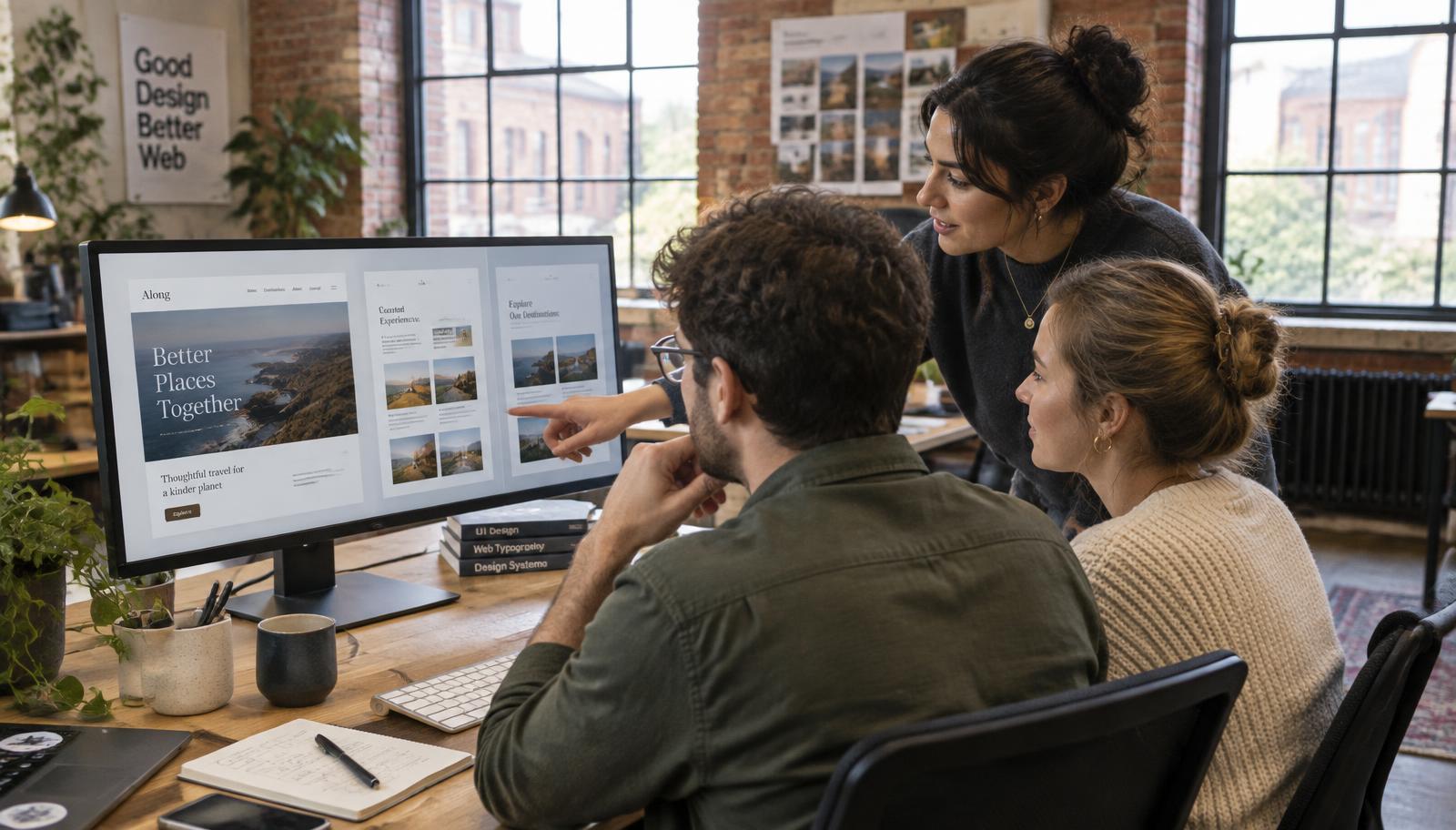
Technically, this kind of work often involves a combination of front-end and back-end technologies. HTML5 and CSS3 give you the structural and visual foundation. JavaScript adds interactivity - think image sliders that do not break, forms that validate in real time, and maps that load without slowing everything else down. PHP and MySQL handle the heavy lifting behind the scenes: storing orders, managing user accounts, and connecting to payment gateways. These are not just buzzwords. They are the tools that let a developer build a site that behaves predictably under real traffic.
Choosing the Right Platform for Your Business
One of the first decisions in custom website development is which content management system to use. WordPress remains a strong choice for many small businesses in Lancashire. It is flexible, well supported, and can be extended with plugins for everything from local SEO to event booking. But a WordPress site still needs proper custom development to avoid the performance pitfalls that plague off-the-shelf themes. A skilled developer can build a WordPress site that loads quickly, works smoothly on mobile, and is easy for you to update without touching a line of code.
For e-commerce, the decision gets more specific. WooCommerce is a natural fit if you already use WordPress. It gives you a lot of control over product pages, shipping rules, and payment options. That said, it requires careful configuration to handle high traffic or complex inventory. Shopify is a strong alternative for businesses that want a more managed environment. You trade some control for reliability and speed. Magento, meanwhile, suits larger operations with big product catalogues and multi-warehouse setups. I rarely recommend Magento for a small business starting out, because its complexity can overwhelm a small team. The right choice depends on your budget, your technical comfort, and your growth plans.
A local example: I know a furniture maker near Burnley who sells handmade oak tables. He started with a Shopify store because he wanted to be live in a week. It worked fine for the first year. As his range grew and he started offering custom finishes, he needed more flexibility in product options and shipping logic. He moved to a custom WordPress and WooCommerce build. That transition cost him time and a bit of stress, but it gave him the control he needed. The lesson is not that one platform is always better. It is that your platform should match where your business is and where it is going.
Performance, Hosting, and Local SEO
A well-built site is wasted if it is slow to load. I have used both Google PageSpeed Insights and GTmetrix on hundreds of sites, and the data is consistent: users abandon pages that take more than three seconds to load. For a small business in Lancashire competing with national chains, that is a killer. Part of the solution is good development practice, like compressing images, minifying CSS and JavaScript, and using efficient database queries. The other part is choosing decent web hosting. Cheap shared hosting can undo all the optimisation work a developer does. A good host gives you fast server response times and enough resources to handle visitor spikes during promotions.
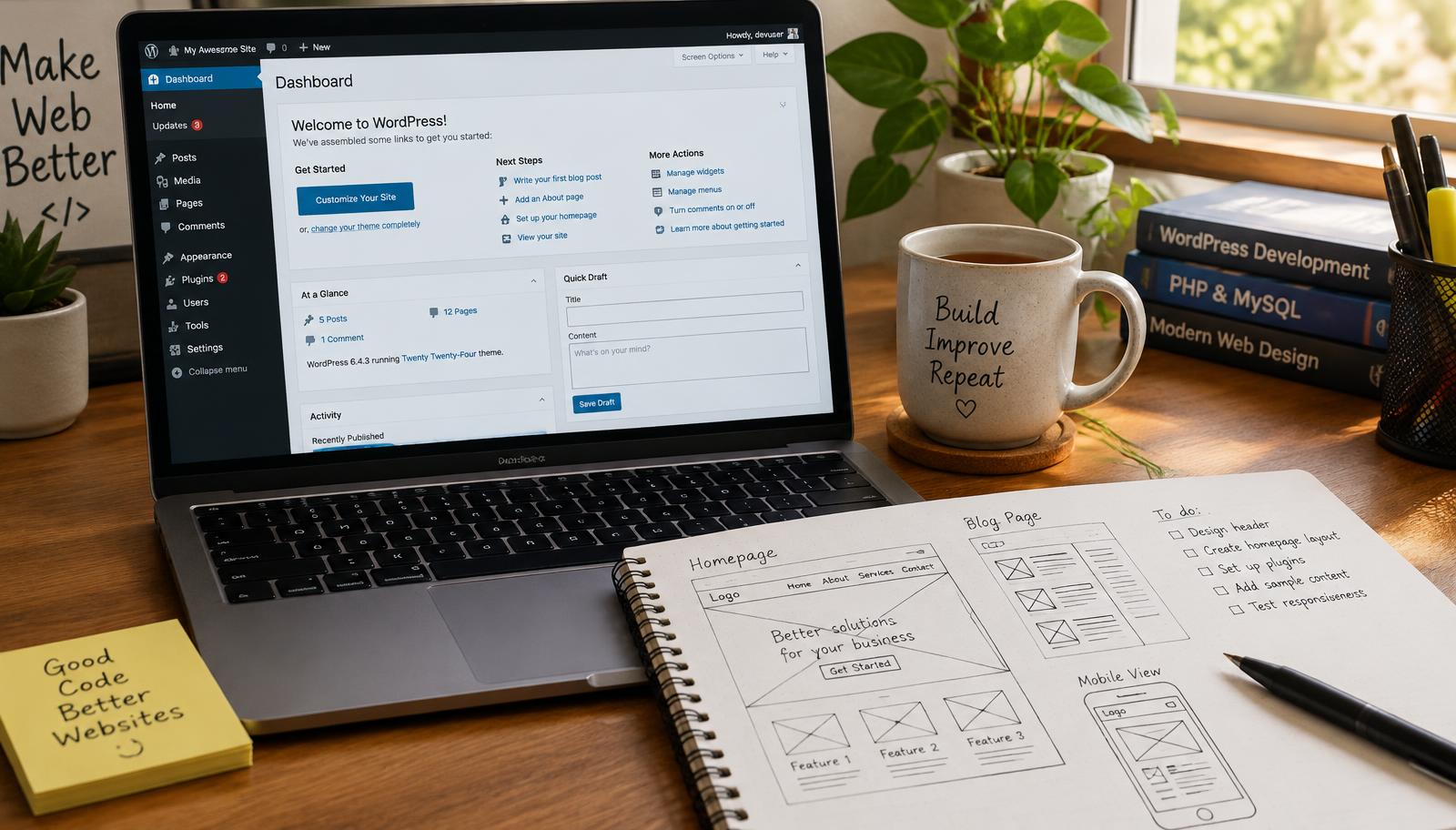
Local SEO is another area where custom development makes a real difference. A template site might let you add a location field, but a custom site can be built with structured data that helps Google understand exactly where you are and what you do. That means a bakery in Burnley can show up in searches for "fresh bread near me" with the right map pin, opening hours, and customer reviews displayed directly in search results. A developer who understands local SEO will also build a clean site hierarchy, fast mobile pages, and logical internal links - all factors that search engines use to rank local businesses.
Responsive web design is no longer optional. More than half of the traffic to most small business sites comes from phones and tablets. A custom build ensures that the layout adapts properly to every screen size, that buttons are big enough to tap without zooming, and that forms are usable on a touch keyboard. These details do not show up in a template's preview images, but they show up in your bounce rate and your conversion numbers.
Planning for the Long Term
Custom website development is an investment. It costs more upfront than a template, and it takes longer to build. But over three to five years, the total cost of ownership is often lower. You avoid the monthly subscription fees for premium themes and bloated plugins. You avoid the redesign that becomes necessary when a template vendor stops supporting an older version. You avoid the lost revenue from a slow checkout flow or a broken booking system.
I have seen small businesses in Lancashire save thousands of pounds by investing in a proper custom build from the start. They also save something less tangible: frustration. When your site works the way you need it to work, you stop thinking about it and start focusing on your customers. That is the real goal of any web project.
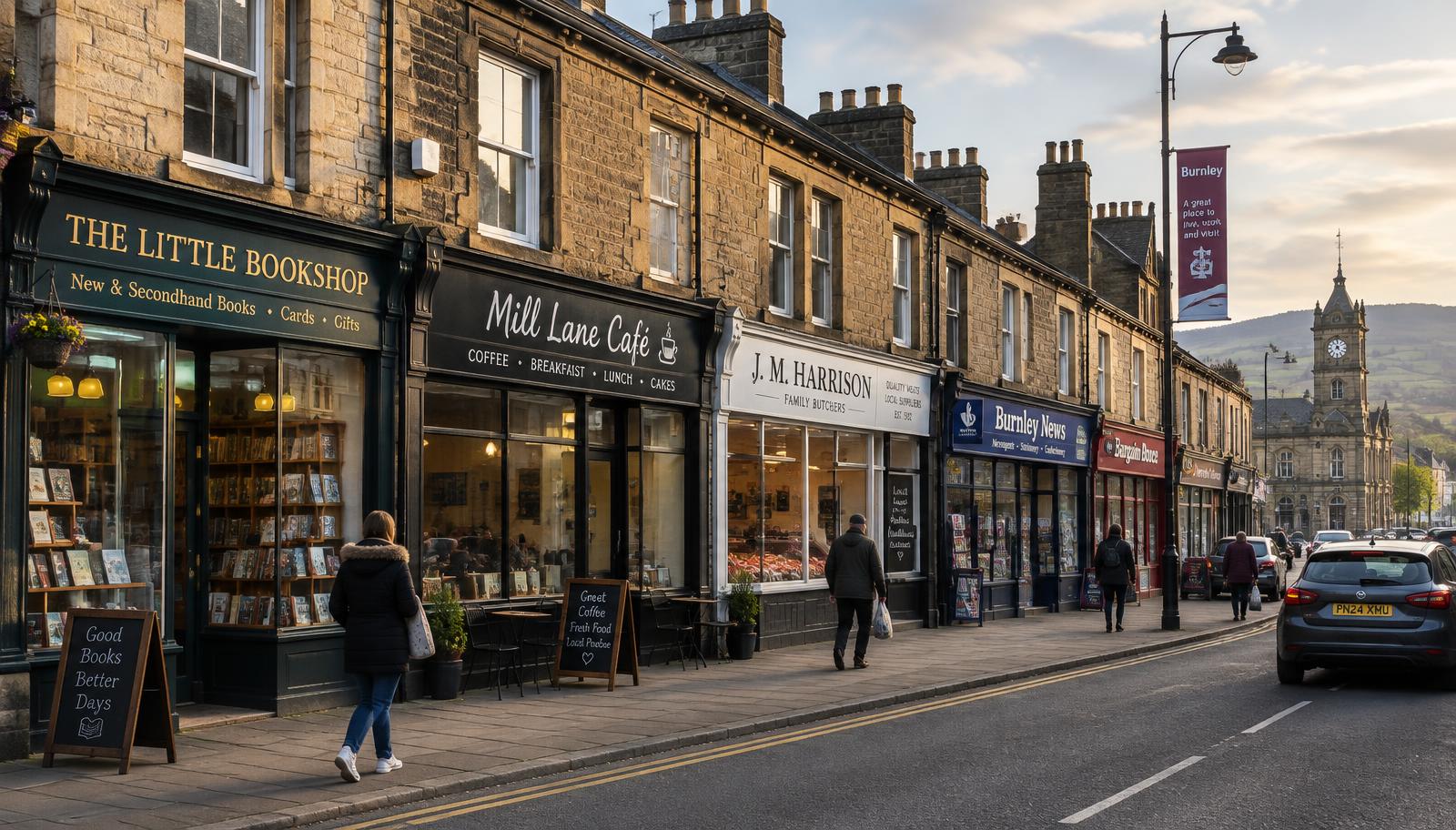
If you are running a small or medium business in Burnley or anywhere else in Lancashire, consider what a custom approach could do for your online presence. It might mean a cleaner design, a faster load time, or a checkout flow that actually converts. It might mean a content management system that you can update yourself without calling a developer every time you change a price. Those improvements add up. They make your site a genuine asset for your business, not just a digital brochure that gathers dust.
A final thought: good custom website development is not about flashy animations or complex layouts. It is about fit. The best sites I have worked on are the ones that feel quiet and obvious. They do not show off. They just work. That is the standard worth aiming for.